
Hong Kong Moves to Criminalize Public Vape Use in Tightening Tobacco Control Push
Key Takeaway
Hong Kong’s move to criminalize public vape use marks a significant escalation in its anti-vaping stance, shifting enforcement from supply control to consumer behaviour. The policy reinforces the city’s position as one of the world’s most restrictive vape markets, with no clear pathway for legal participation.
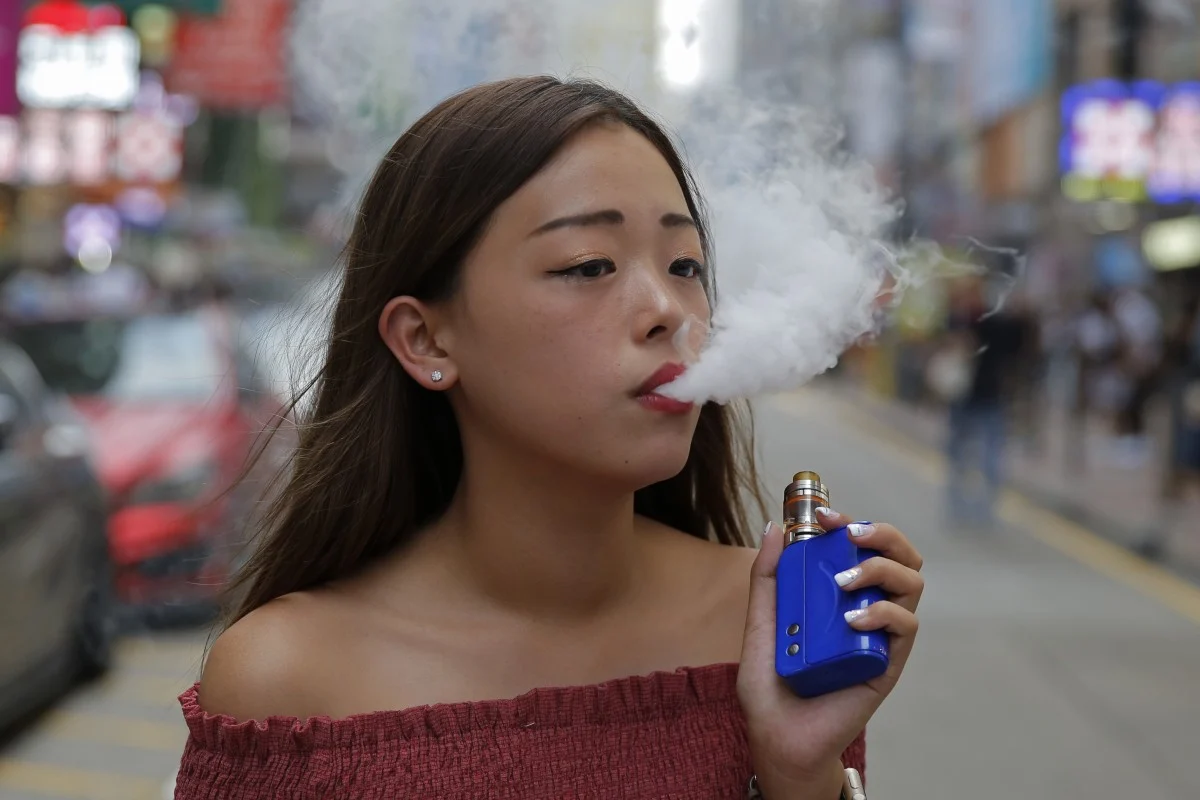
Hong Kong authorities are moving to criminalize the public use of vaping products, marking a further escalation in the city’s already strict stance on alternative nicotine products. The proposal would make it an offence to use e-cigarettes in public spaces, aligning vaping restrictions more closely with — or even beyond — those applied to traditional tobacco.
The move signals a continued shift toward zero-tolerance style regulation of vaping in one of Asia’s most restrictive nicotine markets.
Public Use Could Become a Criminal Offence
Under the proposed measures, individuals using vaping devices in public areas could face legal penalties.
Key elements of the proposal include:
- Criminalising the use of e-cigarettes in public spaces
- Expanding enforcement powers for authorities
- Strengthening penalties tied to vaping-related offences
- Further aligning vape restrictions with broader tobacco control policies
If implemented, this would significantly reduce where — and whether — vaping can legally occur within the city.
Part of a Broader Anti-Vape Strategy
Hong Kong has already taken a hardline approach to vaping, including bans on:
- Importation of vaping products
- Manufacture and distribution
- Commercial sale of e-cigarettes
The proposed criminalisation of public use represents the next phase of enforcement, targeting not just supply but also consumption.
Enforcement and Compliance Implications
The policy is expected to increase enforcement activity across public areas, including:
- Transport hubs
- Streets and open public spaces
- Hospitality and retail environments
Authorities aim to eliminate visible vape usage, reinforcing broader public health messaging and compliance expectations.
🌏 Regional Context: Asia’s Strictest Vape Policies
Hong Kong’s approach places it among the most restrictive jurisdictions globally, alongside markets that have opted for near-total prohibition rather than regulated frameworks.
This contrasts sharply with regions such as the UK and parts of Europe, where vaping is regulated and often positioned within harm-reduction strategies.
What This Means for Distributors
Hong Kong’s move sends a strong signal to distributors operating in Asia: some markets are shifting beyond regulation into full suppression of category visibility and usage.
Market Is Effectively Closed
With import, sale, and now public use targeted, Hong Kong offers no viable legal pathway for vape distribution.
Enforcement Risk Is High
Criminalising usage increases scrutiny across the entire ecosystem, raising risks not just for retailers but also for supply chain participants.
Spillover Effect in the Region
Other Asian markets may observe and adopt similar restrictive models, particularly where governments prioritise strict tobacco control.
Strategic Reallocation Needed
Distributors should focus on markets with clear regulatory frameworks, rather than prohibition-driven environments.
Publication Details & Source Verification
- Published by: Nicotine Insider
- Publication date: April 14, 2026
- Article source: Nicotine Insider - Hong Kong Moves to Criminalize Public Vaping
This is a recent policy development report, based on proposed legislative changes in Hong Kong aimed at tightening control over vaping following earlier bans on import and sales.