
Researchers Map Final Steps of Nicotine Biosynthesis in Breakthrough Study
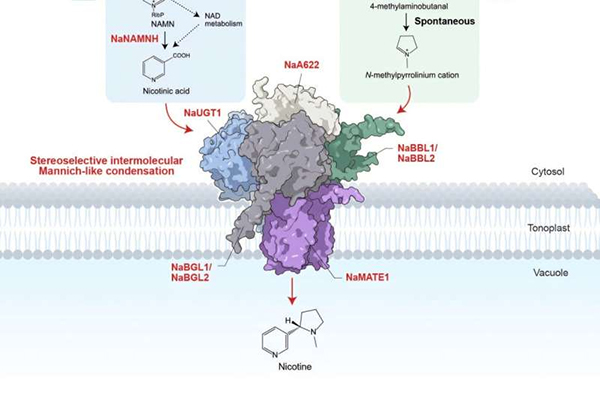
Scientists have made a significant advancement in understanding how nicotine is produced in plants, identifying and mapping the final steps of the nicotine biosynthesis pathway. The findings provide deeper insight into the biological process that drives nicotine formation in tobacco plants, potentially opening new avenues for agricultural and biochemical research.
The study highlights a more complete picture of how key enzymes interact in the late-stage production of nicotine, a compound naturally synthesised in tobacco plants as a defensive alkaloid.
This is a recent scientific industry report, summarising peer-reviewed research findings in plant biochemistry and nicotine biosynthesis pathways. The article is based on academic research rather than policy or commercial reporting.
🔬 Key Scientific Findings
Researchers have successfully mapped the final biochemical steps involved in nicotine production within tobacco plants, focusing on enzyme-driven transformations that occur late in the biosynthetic pathway.
Key insights include:
- Identification of enzymes responsible for final-stage nicotine formation
- Improved understanding of metabolic pathways in tobacco plants
- Clarification of how precursor molecules are converted into nicotine
- Enhanced mapping of plant alkaloid biosynthesis mechanisms
This level of detail helps fill gaps in long-standing scientific understanding of nicotine production at a molecular level.
🌱 Why This Research Matters
While the findings are primarily scientific, they have broader implications for agricultural science and plant biotechnology.
Potential applications include:
- Improved crop engineering and plant breeding strategies
- Better understanding of alkaloid regulation in tobacco plants
- Possible development of modified plant strains with altered nicotine levels
- Enhanced foundational knowledge for biochemical research in plant defense systems
📊 Scientific Context
Nicotine is a naturally occurring alkaloid produced by tobacco plants as part of their defence mechanism against herbivores. Its biosynthesis has been studied for decades, but certain final-stage enzymatic processes have remained less clearly understood until now.
This research contributes to closing those knowledge gaps and refining the biochemical map of nicotine production.
Key Takeaway
The study provides a clearer and more complete map of nicotine biosynthesis, particularly the final enzymatic steps, marking an important advancement in plant science and tobacco biochemistry research.