
White House and FDA Clash Over Future of Flavored Vape Policy
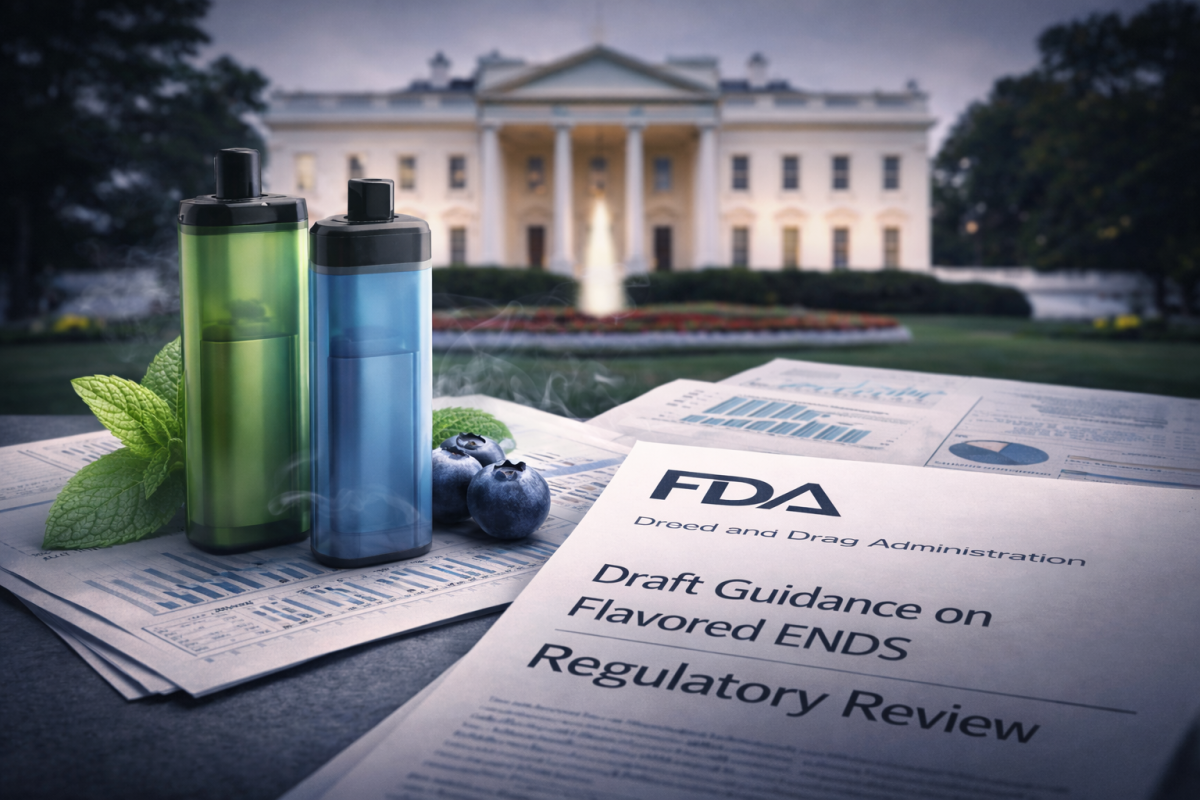
A policy divide has emerged between the White House and the US Food and Drug Administration (FDA) over how flavored vaping products should be regulated, according to industry reporting. The disagreement highlights ongoing uncertainty in federal nicotine policy as regulators balance public health objectives with market realities.
The issue centers on whether flavored vapes should face broader restrictions or whether a more targeted enforcement approach should be maintained.
This report is based on policy discussions and regulatory positioning within US federal agencies, reflecting an ongoing debate rather than a finalized rule change.
Policy Tension Between Agencies
According to the report, the disagreement stems from differing approaches to flavored vape regulation:
- The FDA is broadly focused on tightening oversight of flavored nicotine products
- The White House is reportedly weighing broader economic and enforcement considerations
This has created a policy gap that is slowing clarity for manufacturers, retailers, and enforcement bodies.
Flavored Vapes Remain a Regulatory Flashpoint
Flavored vaping products continue to be one of the most contested categories in nicotine regulation.
Key concerns include:
- Youth appeal and uptake of flavored products
- Enforcement challenges in online and retail channels
- Product migration into unregulated or illicit markets
- Balancing adult smoker alternatives with youth protection policies
Industry Uncertainty Continues
The lack of a unified federal position is contributing to ongoing uncertainty in the US vape sector, particularly for:
- Manufacturers planning product portfolios
- Retailers managing compliance risk
- Importers navigating evolving enforcement rules
Industry stakeholders are closely watching whether a consistent federal framework will emerge.
Broader Regulatory Context
The United States continues to develop its long-term approach to nicotine regulation, particularly in relation to:
- Flavored e-cigarettes
- Disposable vape products
- Youth access prevention
- Enforcement against illicit imports
The current disagreement underscores the complexity of aligning public health goals with market regulation.
Key Takeaway
A policy divide between the White House and FDA over flavored vape regulation is adding uncertainty to the US nicotine market, with potential implications for enforcement, product availability, and industry compliance strategies.